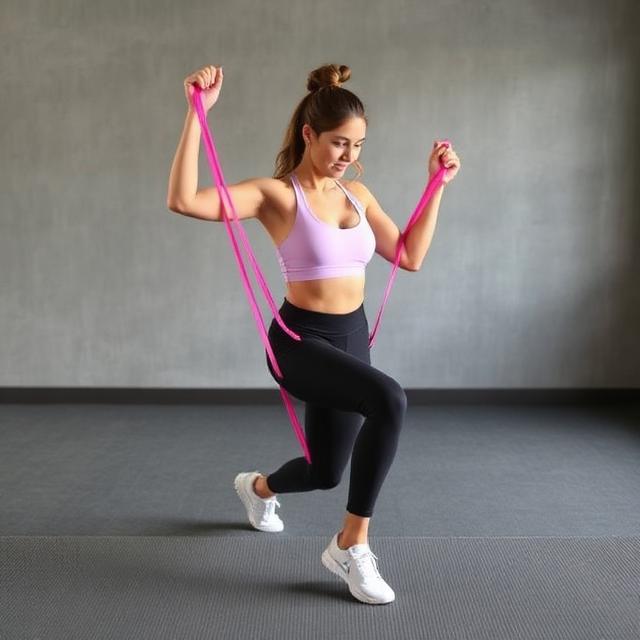
Introduction to Legs Workout with Elastic Bands
When most people think of leg workouts, images of heavy squats, cumbersome weights, or gym machines might come to mind. But what if you could get equally effective results using something as simple as elastic resistance bands? That’s where a “legs workout with elastic bands” steps in — a functional, versatile, and surprisingly powerful way to strengthen, tone, and sculpt your lower body. Resistance bands have gained massive popularity because they’re affordable, portable, and adaptable for every fitness level, whether you’re a gym novice or a seasoned athlete.
What makes them especially interesting for leg training is that they provide constant resistance throughout every movement, which forces your muscles to engage more intensely from start to finish. This dynamic tension not only builds muscle strength but also enhances flexibility and joint control in ways that traditional weights sometimes can’t match. So if you’re looking for a leg workout that fits in your living room, bedroom, or even while traveling — elastic bands might just become your best fitness friend.
What Are Elastic Resistance Bands?
Elastic resistance bands are stretchable, rubber-like loops or tubes designed to provide resistance when pulled or stretched. Unlike free weights, their resistance increases the further they are stretched, which creates a variable tension that challenges muscles differently across the range of motion. These bands come in various levels of resistance — from light bands suited for beginners or rehabilitation, to heavy-duty ones meant for experienced athletes or strength training. They’re typically made from latex or synthetic materials that are lightweight, portable, and easy to store.
One of the most powerful aspects of resistance bands is their adaptability: you can use them anywhere — at home, in a hotel room, or at the gym — without needing bulky equipment or machinery. Whether you loop them over your ankles for side leg lifts, around your thighs for squats, or anchor them under your feet for lunges, elastic bands create a resistance training experience that rivals traditional leg workouts.
Why Choose Resistance Bands for Leg Training?
Resistance bands have exploded in popularity in recent years — and it’s not just a fad. People of all fitness levels are discovering that elastic bands offer benefits you don’t always get from standard gym equipment.
Portability and Convenience
One of the biggest perks of elastic bands is their size. They’re light, compact, and easy to carry wherever you go. You don’t need a bulky gym bag or a dedicated workout space; a band can fit in your pocket. This makes it easier to maintain a consistent workout routine, even when you’re traveling, short on time, or don’t fancy stepping foot in a gym.
Budget-Friendly Strength Training
Gym memberships and high-end exercise equipment can be expensive. Resistance bands, however, are one of the most affordable tools for strength training. Yet just because they’re cheaper doesn’t mean they’re less effective — bands can activate muscles just as effectively as free weights when used correctly — and you can scale resistance simply by switching bands or adjusting your stance.
Benefits of Legs Workout with Elastic Bands
A legs workout with elastic bands delivers a wide range of benefits that go far beyond simple muscle tone. They’re not just for beginners — even experienced lifters and athletes use bands to complement traditional strength training.
Increased Muscle Strength and Activation
During band exercises, muscles must work to both stretch and control the band’s recoil, which recruits muscles through more phases of movement compared to many weight machines. This means increased muscle activation in quads, hamstrings, glutes, and even supporting muscles like hip stabilizers — all critical for powerful, functional legs.
Improved Flexibility and Range of Motion
Elastic bands allow for fluid, controlled movement patterns that naturally improve flexibility and joint mobility. Movements with bands gently stretch muscles and connective tissue, which enhances flexibility over time — especially around the hips, knees, and ankles. Improved flexibility not only looks great but also reduces your risk of muscle strains and joint pain.
Enhanced Balance and Stability
Because resistance bands don’t provide fixed weights, your body must work harder to stabilize during exercises. That improves balance as well as joint strength, making everyday activities — from walking stairs to playing sports — easier and safer.
Are Resistance Bands Good for Leg Workouts?
Yes — and here’s why they’re more effective than many people realize.
Comparing Bands to Traditional Weights
Good resistance bands can mimic many of the benefits of free weights and machines, but with less risk of injury and less stress on your joints. Since the tension increases as the band stretches, your muscles work throughout the entire motion — something that doesn’t always happen with traditional weight stacks that rely on gravity.
Bands for All Fitness Levels
Whether you are a beginner taking your first steps into strength training or an athlete looking to enhance leg performance, resistance bands are scalable. Bands come in varying resistance levels, making it easy to adjust the intensity of your workouts simply by switching bands or altering band placement.
How Resistance Bands Improve Muscle Tone
Band workouts help you tone by increasing muscle tension throughout each exercise. Because they provide resistance in every phase — including the return (eccentric) phase — your muscles remain activated longer, burning more calories and helping tighten your legs more effectively than exercises without resistance.
Leg Muscles You Can Target with Bands
Elastic bands aren’t limited to one muscle group. You can target all major leg muscles, including:
- Quadriceps (front of thigh)
- Hamstrings (back of thigh)
- Glutes (hips and buttocks)
- Calves
- Hip abductors and stabilizers
This comprehensive activation ensures balanced strength and function, which improves performance in daily activities or sports.
How to Train Legs with an Elastic Band: Step-by-Step
Here are some of the most effective elastic band leg exercises that you can do at home, gym, or even while traveling.
Banded Squats
Place a band just above your knees and stand with feet shoulder-width apart. As you squat, push your knees outward against the band while sitting back through your hips. This recruits glutes, quads, and hamstrings more deeply than a standard squat.
Lateral Band Walks
With a band around your ankles or above your knees, take small side steps maintaining tension. This targets outer hips and glutes and improves lateral stability.
Glute Bridges
Lie on your back with a band above the knees, lift hips up while pushing knees outward. Great for glutes and hamstrings.
Banded Leg Extensions
Sit and loop a band around your ankle, anchor other end under a foot or chair. Straighten your leg to activate quads.
Romanian Deadlifts
Stand on the band and grasp both ends. Hinge at hips with controlled tension to target hamstrings and glutes.
Weekly Elastic Band Leg Workout Plan
Here’s a simple 3-day schedule for balanced leg training:
- Day 1 (Strength Focus): Banded squats, Romanian deadlifts, calf raises
- Day 2 (Mobility & Stability): Lateral walks, glute bridges, hip lifts
- Day 3 (Power & Toning): Band jumps, lunges, leg extensions
Rotate and progressively increase resistance or repetitions to avoid plateaus.
How to Tone Legs in 2 Weeks with Resistance Bands
Want faster results? Follow these essentials:
Frequency & Progression Tips
Train legs 3–4 times per week with progressive difficulty — add more resistance, more reps, or longer sets each session. Include varied exercises to hit all muscle groups.
Common Mistakes to Avoid
Avoid rushing through reps — slow, controlled movements maximize muscle engagement. Don’t skip warm-ups or neglect recovery either.
Resistance Bands for Injury Recovery
Physical therapists often use resistance bands because they offer controlled, low-impact resistance that encourages muscle strengthening without joint stress — making them ideal for injury rehabilitation.
Why Bands Are Used in Rehabilitation
Since bands allow gradual progression, they help rebuild strength and neuromuscular control safely. This is valuable after knee, hip, or ankle injuries.
Safety Tips for Post-Injury Training
Start with light bands and focus on correct form. Stop if pain increases — consult a licensed physiotherapist before starting any post-injury program.
Elastic Band Training for Seniors
Research shows that elastic band training significantly improves lower limb strength and balance in older adults, helping reduce fall risk and improve functional mobility when performed consistently.
Stretching & Warm-Up Before Bands Legs Training
Warming up increases blood flow and reduces injury risk. Include leg swings, light glute activation, and mobility exercises before training.
Nutrition to Support Legs Toning Goals
To support muscle growth and recovery, fuel your body with a balanced diet rich in protein, complex carbs, healthy fats, and plenty of water.
Tracking Progress and Goal Setting
Use a workout journal or fitness app to track sets, resistance levels, and improvements. Celebrate small milestones to stay motivated.
Expert Trainer Tips for Best Results
Fitness professionals recommend blending band workouts with other forms of exercise — like bodyweight or weights — for best results. Always prioritize form over intensity to avoid injury.
Common Myths About Bands Leg Workouts
Myth: Bands are only for beginners.
Truth: Bands can be intense and effective even for advanced athletes.
Testimonials and Real-Life Success Stories
Many users report more defined and stronger legs after consistently using resistance bands — from improved muscle tone to better stability and flexibility.
Conclusion
A legs workout with elastic bands isn’t just effective — it’s transformational. Whether you’re looking to tone legs in 2 weeks, recover from injury, or build lasting leg strength, resistance bands offer versatility, safety, and real results. They work for beginners and seasoned lifters alike. With consistency, proper form, and a smart workout plan, your legs can become stronger, more flexible, and more resilient — all thanks to the humble elastic band.
FAQs
1. Can resistance bands build muscle in legs?
Yes — elastic resistance bands engage muscles through the full range of motion and can help increase strength and muscle tone.
2. How often should I do leg workouts with bands?
Training 3–4 times a week with progressive resistance yields the best results without overtraining.
3. Are elastic bands suitable for beginners?
Absolutely — bands come in different resistance levels that are perfect for all fitness levels.
4. Can resistance bands help with injury recovery?
Yes — they provide controlled, low-impact resistance ideal for rehabilitation when approved by a professional.
5. How long until I see toned legs with bands?
With consistent workouts and proper nutrition, many people notice improved tone in about 2–4 weeks.