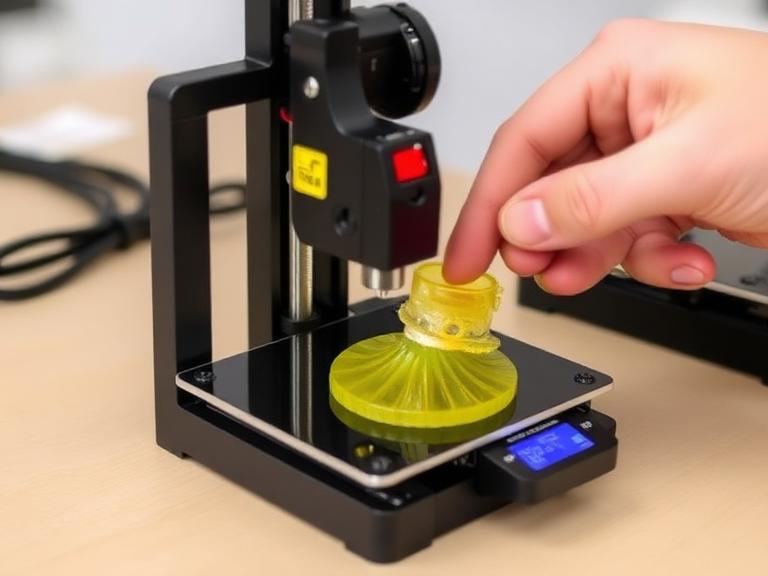
A resin printer is a type of 3D printer that uses liquid photopolymer resin cured by UV light to create highly detailed objects. Unlike filament printers, 3D resin printers operate by hardening layers of liquid resin using light sources such as LCD, SLA, or DLP systems. This technology allows creators to produce incredibly fine details, making it a favorite for miniatures, dental models, jewelry, and prototypes.
If you’ve ever seen tabletop figurines or hyper-detailed prototypes, chances are they were made using the best resin printer for miniatures. The level of precision is unmatched, which is why many hobbyists and professionals are switching to this technology. But here’s the catch—while the results are stunning, the process involves chemicals that demand careful handling.
Think of resin printing like cooking with hot oil. You can create amazing dishes, but without proper precautions, things can get messy—or even dangerous. The same applies here. From fumes to skin contact risks, every step requires awareness and discipline.
Why Safety Matters in Resin Printing
Safety in resin printing isn’t optional—it’s essential. Liquid resin contains reactive chemicals that can harm your skin, lungs, and eyes if mishandled. According to recent safety research, uncured resin contains compounds that act as skin sensitizers and respiratory irritants, and prolonged exposure may even lead to long-term health issues.
What makes this tricky is that the danger isn’t always obvious. Resin fumes may not always have a strong smell, yet they can still contain harmful volatile organic compounds (VOCs) that affect your respiratory system. Imagine sitting in a room that “seems fine,” but invisible particles are slowly building up—this is exactly what can happen with poor ventilation.
For beginners exploring the best resin printer for beginners, this is often overlooked. Many focus on print quality, speed, or price, but ignore the safety setup. That’s like buying a sports car without caring about seat belts. A proper setup ensures not just better results, but also long-term health.
Is Resin Toxic? The Truth Explained
Uncured vs Cured Resin
Here’s the most important distinction you need to understand: uncured resin is toxic, cured resin is generally safe. This simple rule can save you from a lot of trouble.
Uncured resin—the liquid form inside your 3D UV resin printer—contains reactive chemicals that can irritate your skin and eyes. Direct contact can lead to redness, itching, or even chemical burns over time. On the other hand, once the resin is fully cured under UV light, it becomes stable and non-toxic for everyday handling.
But here’s where many people slip up: partially cured resin is still dangerous. Just because a print looks solid doesn’t mean it’s safe. If the inner layers aren’t fully cured, harmful chemicals may still be present.
Think of it like baking a cake. If it looks done on the outside but is raw inside, you wouldn’t eat it. Resin works the same way—complete curing is non-negotiable.
Health Risks of Resin Exposure
Exposure to resin can happen in several ways, and each comes with its own risks:
- Skin contact: Can cause irritation or long-term sensitization
- Inhalation: VOCs can lead to headaches, dizziness, and respiratory issues
- Eye contact: Highly dangerous and requires immediate medical attention
Studies show that repeated exposure can lead to sensitization, where even tiny amounts of resin trigger allergic reactions. This is particularly concerning because once you develop sensitivity, it may be permanent.
This is why even users of the best resin printer models must prioritize safety. High-end machines don’t eliminate chemical risks—they just improve print quality.
Essential Safety Precautions for Resin Printers
Personal Protective Equipment (PPE)
If resin printing were a sport, PPE would be your armor. At a minimum, you should always use:
- Nitrile gloves (not latex)
- Safety goggles
- Respirator mask (for enclosed spaces)
Experts recommend gloves with at least 5 mil thickness for proper protection, as thinner gloves can allow chemicals to pass through over time.
Imagine handling motor oil with bare hands—it’s messy and unsafe. Resin is even more reactive, so skipping gloves is never worth the risk.
Proper Ventilation Setup
Ventilation is arguably the most critical safety factor. Resin printers release VOCs and ultrafine particles that can accumulate in enclosed spaces.
The best approach is:
- Venting air outside using ducts or fans
- Using an enclosure with negative pressure
- Adding activated carbon filters for extra protection
Opening a window isn’t enough. You need active airflow that removes fumes completely.
Workspace Organization
A clean workspace reduces accidents. Always designate a specific area for your 3D resin printers, separate from food or living spaces. Keep tools organized, use spill mats, and never mix resin work with everyday household activities.
How to Handle Resin Safely
Storage Guidelines
Proper storage is often ignored but incredibly important. Resin should be stored in:
- Cool, dark places
- Sealed containers
- Away from children and pets
Exposure to sunlight can prematurely cure resin, while heat can degrade its chemical composition.
Safe Pouring and Refilling Techniques
Pouring resin may seem simple, but it’s one of the most common points of exposure. Always pour slowly, use a funnel if needed, and avoid splashing. Even a small spill can lead to contamination or skin contact.
Precautions When Printing Resin
Printer Placement Tips
Where you place your large format resin printer matters more than you think. Avoid bedrooms or living spaces. Instead, use:
- Garages
- Dedicated workshops
- Well-ventilated rooms
Avoiding Fume Exposure
Even the best resin printer for beginners can emit fumes. Always start prints in a ventilated area and avoid staying near the printer for extended periods.
Post-Processing Resin Prints Safely
Washing Prints with IPA
After printing, models must be washed in isopropyl alcohol (IPA) to remove uncured resin. This step introduces another hazard—flammable solvents.
Always:
- Work in ventilated areas
- Keep IPA away from heat sources
- Use sealed wash stations when possible
UV Curing Process
Curing transforms toxic resin into a safe material. Most prints require 2–5 minutes under UV light for complete curing.
Never look directly at UV light, as it can damage your eyes.
Sanding and Finishing Safety
Sanding cured resin produces fine dust that can irritate your lungs. Wear a mask and consider wet sanding to minimize airborne particles.
Handling Resin and Fibers Together
Composite Material Safety
When combining resin with fibers (like carbon fiber), additional precautions are needed. Fibers can create sharp fragments and airborne particles, increasing the risk of inhalation and skin irritation.
Dust and Fiber Protection
Always wear:
- Respirators
- Protective clothing
- Eye protection
Think of it like working with fiberglass—extra caution is required at every step.
Common Mistakes Beginners Make
Ignoring Ventilation
Many beginners underestimate fumes. Just because you don’t smell anything doesn’t mean you’re safe.
Touching Uncured Resin
This is one of the most common and dangerous mistakes. Always treat uncured resin as hazardous.
Choosing a Safe Resin Printer Setup
Best Resin Printer for Beginners
Beginners should look for printers with:
- Enclosed designs
- Built-in filters
- Easy cleaning systems
Large Format Resin Printer Considerations
A large format resin printer produces more fumes and requires better ventilation. Always scale your safety setup with your printer size.
Conclusion
Resin printing opens the door to incredible detail and creativity, but it comes with responsibilities that shouldn’t be ignored. From understanding the difference between cured and uncured resin to setting up proper ventilation and using protective gear, every step plays a role in keeping you safe.
Treat your resin printer like a powerful tool—not a toy. When used correctly, it delivers outstanding results without compromising your health. When used carelessly, it can lead to long-term risks that aren’t worth the trade-off.
FAQs
1. Is resin printing safe at home?
Yes, but only with proper ventilation, PPE, and a dedicated workspace.
2. Can I touch resin prints after printing?
No, not until they are fully washed and UV-cured.
3. Do resin printers smell bad?
Sometimes, but even odorless fumes can be harmful.
4. What is the safest resin to use?
“Low-odor” or “eco” resins exist, but all uncured resins require precautions.
5. Do I need a respirator for resin printing?
If you’re working in a small or enclosed space, absolutely yes.