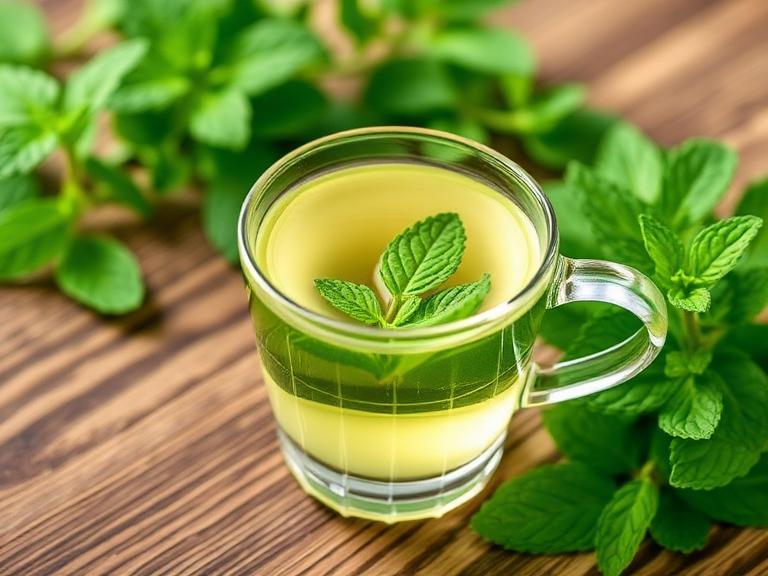
If you’ve ever taken a sip of peppermint tea, you already know it’s not just another herbal drink—it’s a sensory experience. This refreshing beverage is made by steeping leaves of the peppermint plant, a hybrid of watermint and spearmint. Native to Europe and Asia, peppermint has been used for centuries not just in teas but also in medicines, oils, and even toothpaste.
What makes peppermint tea stand out is its naturally sweet and cooling taste. Unlike regular tea, it doesn’t come from the Camellia sinensis plant, which means it’s technically an herbal infusion. That’s why it contains zero caffeine, making it a favorite for people looking to cut back on stimulants.
From a cultural perspective, peppermint tea has always been more than just a drink. In many households, it’s considered a natural remedy—something your grandmother might recommend when you complain about stomach pain or a headache. And interestingly, modern research is beginning to back up many of these traditional uses.
Key Active Compounds
The real magic of peppermint tea lies in its active compounds. The most notable one is menthol, which gives the tea its signature cooling sensation. Alongside menthol, peppermint contains menthone and limonene—compounds known for their therapeutic effects.
These compounds aren’t just about flavor. They interact with your body in fascinating ways. For instance, menthol helps relax muscles in the digestive tract, which may explain why peppermint tea is often recommended for bloating and cramps.
Think of these compounds like tiny messengers, traveling through your system and triggering calming, soothing responses. That’s why even the aroma of peppermint tea can feel relaxing—it’s not just psychological; it’s biochemical.
Nutritional Qualities of Peppermint Tea
Calories and Nutrients
One of the most appealing qualities of peppermint tea is its simplicity. A typical cup contains virtually zero calories, no fat, and no sugar—unless you decide to add sweeteners. This makes it an excellent choice for anyone watching their weight or trying to maintain a healthy lifestyle.
Despite being low in calories, peppermint tea isn’t “empty.” It contains trace amounts of vitamins and antioxidants that support overall health. These antioxidants help fight oxidative stress in the body, which is linked to aging and chronic diseases.
What’s even better? You can drink it guilt-free throughout the day. Whether you’re fasting, dieting, or just trying to stay hydrated, peppermint tea fits seamlessly into almost any routine.
Why It’s Caffeine-Free
Unlike black or green tea, peppermint tea is naturally caffeine-free. This might sound like a small detail, but it’s actually a big deal. Caffeine can cause jitters, anxiety, and sleep disturbances in some people, so having a calming alternative is incredibly valuable.
Because it’s caffeine-free, peppermint tea is safe to drink at night, during pregnancy (in moderation), and even for people sensitive to stimulants.
Think of it as your “anytime drink.” Morning, afternoon, or bedtime—it adapts to your needs without disrupting your body’s natural rhythm.
10 Proven Peppermint Tea Benefits
Improves Digestion
Let’s start with one of the most well-known peppermint tea benefits—its ability to soothe digestion. If your stomach feels like it’s throwing a tantrum after a heavy meal, peppermint tea can act like a peacekeeper.
Studies show that peppermint helps relax the muscles of the digestive tract, reducing symptoms like bloating, gas, and indigestion. It’s almost like giving your stomach a gentle massage from the inside.
People with IBS (Irritable Bowel Syndrome) often report relief after consuming peppermint-based products. While most studies focus on peppermint oil, the tea is believed to offer similar, albeit milder, effects.
Relieves Headaches
Ever noticed how menthol-based balms are used for headaches? That’s no coincidence. Peppermint contains compounds that help relax muscles and improve blood flow, which may ease tension headaches.
While drinking peppermint tea isn’t a direct cure, its calming aroma and muscle-relaxing properties can contribute to relief.
Think of it as a natural alternative to popping a pill—gentler, slower, but often just as comforting.
Supports Respiratory Health
Got a blocked nose? Peppermint tea might help you breathe easier. Menthol acts as a natural decongestant, helping open up nasal passages.
Even the steam from a hot cup can provide relief. It’s like a mini spa treatment for your sinuses.
Boosts Energy Naturally
Unlike coffee, peppermint tea doesn’t give you a sudden jolt of energy. Instead, it provides a subtle, refreshing boost. The aroma alone can reduce fatigue and improve alertness.
This makes it perfect for those mid-afternoon slumps when you need a pick-me-up without the crash.
Improves Skin Health
One of the lesser-known peppermint tea advantages is its impact on skin. Thanks to its anti-inflammatory and antibacterial properties, it may help reduce acne and improve overall skin clarity.
Hydration also plays a role here. Drinking peppermint tea regularly keeps your skin hydrated from within, giving it that natural glow.
Enhances Mental Focus
Need to concentrate? Peppermint might help. Research suggests that peppermint oil can improve memory and alertness, and the tea may offer similar benefits.
It’s like switching your brain into “focus mode” without needing caffeine.
Reduces Stress and Anxiety
The calming effect of peppermint tea isn’t just in your head—it’s real. The aroma and warmth help reduce stress levels, making it a great choice after a long day.
Freshens Breath
Peppermint is famous for its breath-freshening abilities. Drinking the tea can help kill bacteria in the mouth, leaving you with a clean, fresh feeling.
Helps with Menstrual Pain
Peppermint’s muscle-relaxing properties can also ease menstrual cramps. Think of it as a natural comfort drink during that time of the month.
Supports Better Sleep
Because it’s caffeine-free and calming, peppermint tea is ideal before bed. It helps your body wind down and prepare for restful sleep.
How Long Does Peppermint Tea Take to Work?
You might be wondering, “How quickly does this actually work?” The answer depends on what you’re using it for. For digestion, many people feel relief within 15–30 minutes after drinking a cup.
For stress or relaxation, the effects can be almost immediate—sometimes just inhaling the aroma does the trick. It’s like flipping a switch from “tense” to “calm.”
Peppermint Tea Before Bed – Is It Good?
Drinking peppermint tea before bed is actually one of its best uses. Since it’s caffeine-free, it won’t interfere with your sleep cycle. Instead, it promotes relaxation and helps you unwind.
Some people even make it part of their nightly routine, like brushing teeth or reading a book. Over time, your brain starts associating peppermint tea with sleep, making it easier to drift off.
Peppermint Tea Side Effects
Effects on Blood Pressure
While peppermint tea is generally safe, it can affect blood pressure in subtle ways. It may relax blood vessels, which could slightly lower blood pressure. For most people, this is beneficial—but if you already have low blood pressure, it’s something to monitor.
Digestive Issues and GERD
Ironically, while peppermint helps digestion, it can worsen acid reflux in some people. This is because it relaxes the lower esophageal sphincter, allowing stomach acid to rise.
Allergic Reactions
Though rare, some individuals may experience allergic reactions. Symptoms could include itching, swelling, or difficulty breathing.
Mint Tea Warning (Who Should Avoid It?)
Pregnancy Safety
A common question is: is peppermint tea safe during pregnancy? The answer is yes—in moderation. Experts suggest limiting intake to 1–2 cups per day to avoid potential side effects.
Liver Concerns
There’s limited evidence suggesting that excessive peppermint consumption may affect liver function, especially when taken in concentrated forms like oil. Tea, however, is generally safe in moderate amounts.
How Many Cups of Peppermint Tea a Day?
So, how much is too much? Most experts recommend 2–3 cups per day as a safe and effective amount.
Here’s a quick guide:
| Purpose | Recommended Intake |
|---|---|
| General health | 1–2 cups |
| Digestive relief | 2–3 cups |
| Relaxation/sleep | 1 cup before bed |
Best Ways to Prepare Peppermint Tea
Making peppermint tea is incredibly simple:
- Boil water
- Add fresh or dried peppermint leaves
- Steep for 5–10 minutes
- Strain and enjoy
You can also add honey or lemon for extra flavor.
Conclusion
Peppermint tea isn’t just a refreshing drink—it’s a natural remedy packed with benefits. From improving digestion and boosting mental clarity to helping you sleep better, it’s one of the most versatile herbal teas out there.
Like anything, moderation is key. Drink it wisely, pay attention to how your body reacts, and you’ll likely find it becomes a staple in your daily routine.
FAQs
1. What does peppermint tea help with the most?
It’s most effective for digestion, bloating, and relaxation, thanks to its muscle-relaxing properties.
2. Is peppermint tea safe during pregnancy?
Yes, in moderation (1–2 cups daily), but consult your doctor for personalized advice.
3. Can peppermint tea lower blood pressure?
It may slightly lower blood pressure due to its relaxing effect on blood vessels.
4. How many cups of peppermint tea a day is safe?
Generally, 2–3 cups per day is considered safe for most people.
5. Does peppermint tea help skin?
Yes, its antibacterial and anti-inflammatory properties may improve skin clarity.