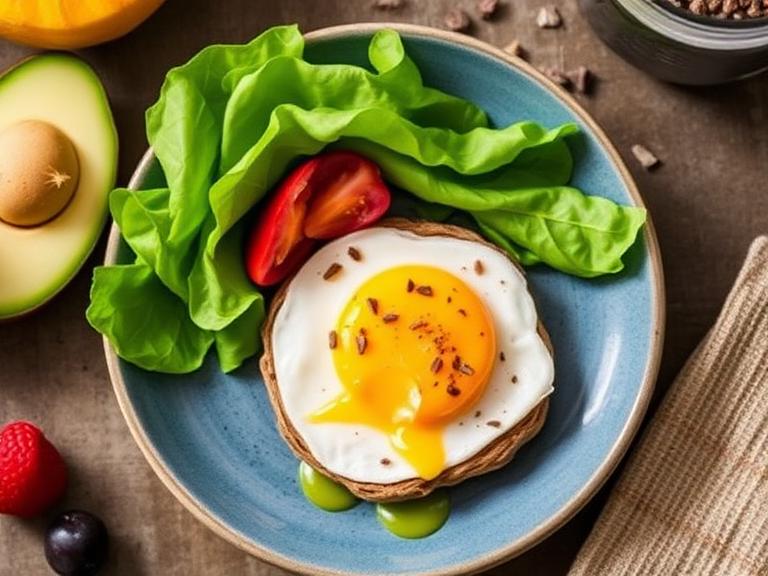
When people talk about a perfect food, eggs almost always enter the conversation—and for good reason. An egg with protein isn’t just about muscle-building; it’s a compact nutritional powerhouse that delivers vitamins, minerals, and healthy fats all in one small package. Eggs contain essential nutrients like vitamin A, B5, B12, vitamin D, selenium, and choline, many of which are difficult to obtain in sufficient amounts from other foods. According to research, eggs are among the most nutrient-dense foods available, providing nearly everything your body needs to function optimally.
What makes eggs even more fascinating is their biological purpose. They are designed to support the growth of a complete organism, meaning they naturally contain balanced nutrition. That’s why when you eat eggs, you’re essentially consuming a “complete food.” For someone looking to start their day right, this matters. Instead of piecing together multiple foods to meet your nutritional needs, eggs simplify the process. Think of them as nature’s multivitamin—only tastier and far more satisfying.
How Much Protein Is in One Egg?
Let’s get straight to the point: protein is the star of the show. A single egg typically contains about 5 to 7 grams of high-quality protein, depending on its size. This protein is considered “complete,” meaning it includes all nine essential amino acids your body cannot produce on its own. That’s a big deal because most plant-based proteins lack one or more of these amino acids.
Now imagine eating two or three eggs for breakfast. You’re already hitting 12–20 grams of protein without much effort. Compare that to a typical carb-heavy breakfast like toast or cereal, which barely scratches the surface of your protein needs. Eggs give you a head start. They also digest efficiently, meaning your body actually uses the protein effectively rather than wasting it.
Here’s the kicker: protein from eggs supports muscle repair, immune function, and hormone production. It’s not just about gym gains—it’s about overall health. When you think about a “high protein breakfast with eggs,” you’re not just choosing convenience; you’re choosing efficiency and effectiveness.
Why Egg With Protein Is Ideal for Breakfast
Satiety and Hunger Control
Ever noticed how some breakfasts leave you hungry within an hour? That’s usually because they’re loaded with refined carbs and lack protein. Eggs flip that script completely. High-protein foods like eggs rank high on the satiety index, meaning they keep you full longer and reduce unnecessary snacking.
Picture this: you eat a bowl of sugary cereal, and by mid-morning, you’re already reaching for snacks. Now replace that with scrambled eggs. Suddenly, you feel satisfied, energized, and less distracted by hunger. That’s not magic—it’s science. Protein influences hormones that regulate appetite, reducing ghrelin (the hunger hormone) and increasing feelings of fullness.
Studies even show that people who eat eggs for breakfast consume fewer calories later in the day. This makes eggs a powerful ally if you’re trying to manage your weight. It’s like having a natural appetite controller built into your meal.
Boosting Metabolism Early in the Day
Starting your day with an egg with protein is like flipping the “on” switch for your metabolism. Protein has a higher thermic effect compared to carbs and fats, meaning your body burns more calories just digesting it.
Think of your metabolism as a furnace. Protein acts like high-quality fuel that burns hotter and longer. When you eat eggs in the morning, your body begins working harder right away, increasing calorie burn throughout the day. Research shows that high-protein diets can boost metabolism by up to 80–100 calories daily.
That might not sound like much, but over weeks and months, it adds up significantly. Combine that with reduced hunger, and you’ve got a winning formula. Eggs don’t just fill you up—they help your body work smarter from the very beginning of your day.
Are Eggs the Best High Protein Breakfast?
Eggs vs Other Breakfast Options
Let’s settle the debate: are eggs really the best high-protein breakfast? Compared to options like oatmeal, toast, or even smoothies, eggs consistently come out on top for protein content and satiety. Recent comparisons show that two eggs provide around 12.6 grams of protein with minimal carbs, while oatmeal offers significantly less protein.
Here’s a quick comparison:
| Breakfast Option | Protein Content | Satiety Level | Blood Sugar Impact |
|---|---|---|---|
| Eggs | High | High | Low |
| Oatmeal | Medium | Medium | Moderate |
| Toast/Cereal | Low | Low | High |
Eggs also have a low glycemic index, meaning they don’t spike your blood sugar. That’s crucial for sustained energy. While oatmeal has its benefits (especially fiber), it doesn’t match the protein punch of eggs unless you add extra ingredients.
Scientific Evidence Supporting Eggs
Scientific studies strongly support the idea that eggs are one of the best breakfast choices. High-protein breakfasts containing eggs have been linked to improved weight loss, reduced appetite, and better metabolic health.
In one study, participants who ate eggs for breakfast lost significantly more weight than those who ate a carb-heavy breakfast with the same calories. That’s powerful evidence. It shows that not all calories are created equal—what you eat matters just as much as how much you eat.
Eggs also provide nutrients like choline and antioxidants that support brain and eye health. So, when you ask, “Are eggs the best high protein breakfast?”—the evidence points strongly toward yes.
Understanding the 30-30-30 Rule for Breakfast
What Is the 30-30-30 Rule?
The 30-30-30 rule has been trending lately, and it’s surprisingly simple. It involves consuming 30 grams of protein within 30 minutes of waking up, followed by 30 minutes of light exercise.
The idea is to kickstart your metabolism, stabilize blood sugar, and reduce cravings throughout the day. While it’s not a strict “diet,” it’s more of a lifestyle habit that encourages better morning routines.
How Eggs Fit Perfectly Into This Rule
Eggs make following the 30-30-30 rule incredibly easy. For example, combining 3–4 eggs with cottage cheese or egg whites can easily get you close to 30 grams of protein.
This is where recipes like high protein egg bites with cottage cheese or high protein egg muffins with cottage cheese shine. They’re quick, portable, and perfectly aligned with this rule. Instead of scrambling to find protein sources, eggs give you a simple, reliable solution.
Best Breakfast for Diabetics Using Eggs
Blood Sugar Control Benefits
If you’re managing diabetes, breakfast choices become even more critical. Eggs are an excellent option because they are low in carbohydrates and have minimal impact on blood sugar levels. Unlike sugary cereals or white bread, eggs help maintain stable glucose levels.
Protein slows down digestion, which prevents rapid spikes in blood sugar. This makes an egg-based breakfast not just filling but also safe and beneficial for diabetics.
Balanced Egg-Based Meals
Pairing eggs with fiber-rich foods like vegetables or whole grains creates a balanced meal. For example, an omelet with spinach, tomatoes, and a side of whole-grain toast offers protein, fiber, and healthy fats.
Recipes like high protein egg salad with cottage cheese are also excellent choices. They combine protein with creamy texture and added nutrients, making them both delicious and functional for blood sugar control.
How to Get 100% Protein a Day
Daily Protein Requirements
Protein needs vary depending on age, weight, and activity level, but general guidelines suggest around 0.8–1 gram of protein per kilogram of body weight daily. Active individuals may need even more.
Starting your day with an egg with protein gives you a strong foundation. If your goal is 70–100 grams of protein daily, breakfast can easily cover 20–30 grams.
Sample High-Protein Meal Plan
Here’s a simple breakdown:
- Breakfast: Eggs with cottage cheese (25–30g protein)
- Lunch: Chicken or lentils (25–30g protein)
- Snack: Greek yogurt or nuts (10–15g protein)
- Dinner: Fish or paneer (25–30g protein)
This balanced approach ensures you meet your protein goals without relying on just one source.
High Protein Egg Recipes with Cottage Cheese
These are perfect for busy mornings. Mix eggs, cottage cheese, and veggies, then bake in muffin tins. They’re portable, delicious, and packed with protein.
High Protein Egg Bake with Cottage Cheese
Think of this as a casserole-style breakfast. Combine eggs, cottage cheese, spinach, and spices, then bake until firm. It’s ideal for meal prep and can last several days.
High Protein Egg Muffins with Cottage Cheese
Similar to egg bites but often richer in texture, these muffins are great for on-the-go meals. Add herbs, cheese, and vegetables for variety.
High Protein Egg Salad with Cottage Cheese
Swap mayonnaise with cottage cheese for a healthier twist. You get more protein and fewer unhealthy fats without sacrificing taste.
High Protein Breakfast with Eggs: Practical Tips
Meal Prep Ideas
Preparing eggs in advance can save time and ensure consistency. Boiled eggs, egg muffins, and baked egg dishes can be stored and reheated easily.
Combining Eggs with Other Protein Sources
Pair eggs with foods like yogurt, beans, or lean meats to increase protein intake. This helps you hit your daily goals without feeling restricted.
Common Myths About Eggs and Protein
Many people still worry about cholesterol or think eating eggs daily is unhealthy. Modern research shows that moderate egg consumption is safe for most people and offers numerous benefits. Eggs are not the enemy—they’re one of the most efficient protein sources available.
Conclusion
Egg with protein isn’t just another breakfast trend—it’s a scientifically backed, practical, and highly effective way to start your day. From boosting metabolism to controlling hunger and supporting overall health, eggs deliver benefits that few other foods can match. Whether you’re following the 30-30-30 rule, managing diabetes, or simply trying to eat healthier, eggs provide a reliable foundation. Add in versatile recipes like high protein egg muffins with cottage cheese or egg salad variations, and you’ve got a breakfast solution that’s both delicious and powerful.
FAQs
1. Are eggs better than oatmeal for breakfast?
Eggs are higher in protein and keep you full longer, while oatmeal provides more fiber. The best choice depends on your goals, but eggs are superior for protein intake.
2. How many eggs should I eat daily for protein?
Most people can safely eat 2–4 eggs daily as part of a balanced diet, depending on their protein needs.
3. Can eggs help with weight loss?
Yes, eggs promote satiety and reduce overall calorie intake, making them effective for weight management.
4. What is the healthiest way to cook eggs?
Boiling, poaching, or lightly scrambling with minimal oil are among the healthiest methods.
5. Can I rely only on eggs for protein?
While eggs are excellent, it’s best to combine them with other protein sources for a balanced diet.