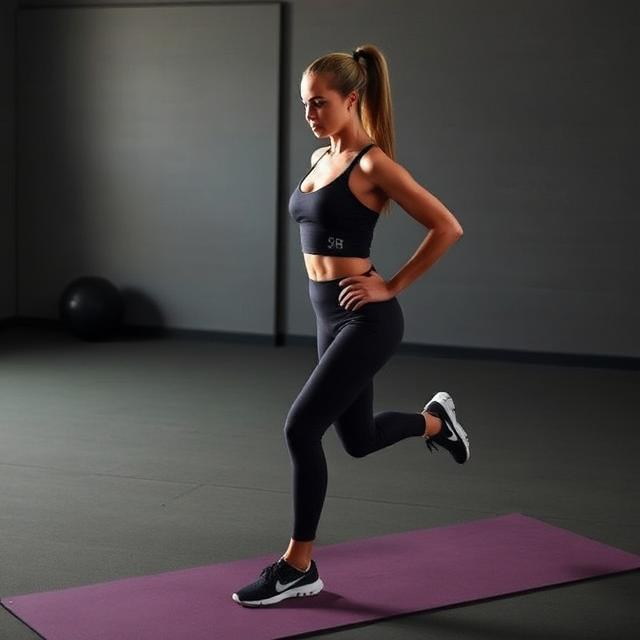
Why a Full Body Workout Is Perfect for Busy Schedules
The Science Behind Short Workouts
Let’s be honest—most people don’t skip workouts because they’re lazy. They skip them because life gets in the way. Work deadlines, family responsibilities, endless notifications—it all piles up. That’s where a 20-minute full body workout becomes a game-changer. Science has shown that short, high-intensity workouts can deliver results comparable to longer sessions when done correctly. The secret lies in intensity and efficiency.
When you engage multiple muscle groups in a short time, your body releases hormones like adrenaline and growth hormone, which help burn fat and build muscle simultaneously. This approach is often referred to as high-intensity interval training (HIIT), and it’s widely recognized for its ability to improve cardiovascular health, increase metabolism, and enhance endurance in a fraction of the time.
Think of your body like a smartphone battery. A quick, powerful charge can sometimes be more effective than a slow trickle. That’s exactly what these workouts do—they “charge” your metabolism fast and efficiently, making them ideal for anyone with a tight schedule.
Benefits of Full Body Training
A full body workout targets all major muscle groups in one session—legs, arms, chest, back, and core. This means you’re not wasting time isolating muscles on different days. Instead, you’re maximizing every minute you have.
One of the biggest benefits is improved calorie burn. Because multiple muscles are working at once, your body uses more energy, leading to higher calorie expenditure both during and after the workout. This is known as the afterburn effect, where your body continues to burn calories even after you’ve finished exercising.
Another advantage is balance and symmetry. Training your entire body helps prevent muscle imbalances, which can lead to injuries over time. It also improves overall functional fitness—meaning everyday activities like lifting groceries or climbing stairs become easier.
Can You Really Get Fit in 20 Minutes?
Realistic Expectations
The idea of getting fit in just 20 minutes might sound too good to be true. But here’s the reality: yes, you can absolutely make progress in that time. However, it depends on how you use those 20 minutes.
If you’re scrolling through your phone between sets or taking long breaks, you won’t see much improvement. But if you stay focused and maintain intensity, those 20 minutes can be incredibly effective. It’s not about working longer—it’s about working smarter.
Key Factors for Success
To make a 20-minute workout at home truly effective, you need to focus on three key elements: intensity, consistency, and proper form. Intensity ensures you’re challenging your body enough to trigger change. Consistency keeps the momentum going, and proper form prevents injuries while maximizing results.
Think of it like cooking. Even with the best ingredients, if you don’t follow the right process, the outcome won’t be great. The same applies to fitness—execution matters more than duration.
20-Minute Full Body Workout at Home (No Equipment)
Warm-Up Routine (3 Minutes)
Before jumping into the workout, warming up is essential. It prepares your muscles, increases blood flow, and reduces the risk of injury. A quick warm-up might include jumping jacks, arm circles, and bodyweight squats.
Even though it’s just three minutes, it sets the tone for the entire session. Skipping this step is like starting a car in winter and immediately flooring the gas—it’s not a good idea.
Main Workout Circuit (15 Minutes)
This is where the magic happens. Perform each exercise for 40 seconds, followed by 20 seconds of rest. Repeat the circuit three times.
Exercise Breakdown
- Squats – Targets legs and glutes
- Push-Ups – Works chest, shoulders, and arms
- Plank – Strengthens the core
- Jumping Jacks – Boosts cardio and endurance
- Lunges – Improves balance and leg strength
This 20 minute full body workout no equipment routine is perfect for anyone who wants to stay fit without stepping into a gym.
Cool Down (2 Minutes)
Cooling down helps your body recover and reduces muscle soreness. Gentle stretching and deep breathing can make a big difference in how you feel afterward.
20-Minute Full Body Workout with Weights
Best Equipment to Use
If you have access to weights, even better. Dumbbells, kettlebells, or resistance bands can add extra intensity to your workout. The added resistance helps build muscle faster and improves strength.
Sample Routine
A 20 minute full body workout with weights might include:
- Dumbbell squats
- Bent-over rows
- Shoulder presses
- Deadlifts
- Russian twists
Each exercise engages multiple muscle groups, making your workout more efficient and effective.
20-Minute Full Body Workout for Beginners
Beginner-Friendly Modifications
Starting something new can feel overwhelming, but it doesn’t have to be. Beginners can modify exercises to suit their fitness level. For example, knee push-ups instead of standard push-ups or stepping lunges instead of jumping lunges.
The goal isn’t perfection—it’s progress. Even small improvements add up over time.
Common Mistakes to Avoid
One common mistake beginners make is trying to do too much too soon. This often leads to burnout or injury. Another mistake is neglecting proper form, which reduces effectiveness and increases risk.
Take it slow, focus on technique, and build gradually.
20-Minute Full Body Workout for Women
Focus Areas
Women often focus on toning areas like the glutes, thighs, and core. A well-designed 20 minute full body workout for busy people female should include exercises that target these areas while still working the entire body.
Sample Female-Friendly Routine
- Glute bridges
- Squats
- Plank variations
- Arm circles with light weights
- Step-ups
This routine helps improve strength, tone muscles, and boost confidence—all within just 20 minutes.
Tips to Maximize Results in Just 20 Minutes
Intensity Over Duration
If you only have 20 minutes, make every second count. Push yourself during each exercise, minimize rest time, and stay focused. This approach ensures you’re getting the most out of your workout.
Consistency and Recovery
Consistency is the real secret to success. Even a short workout done regularly can lead to significant results over time. Pair this with proper rest and nutrition, and you’ve got a winning formula.
Weekly Workout Plan for Busy People
| Day | Workout Type |
|---|---|
| Monday | Full Body (No Equipment) |
| Tuesday | Cardio + Core |
| Wednesday | Full Body (Weights) |
| Thursday | Rest or Light Stretching |
| Friday | Full Body HIIT |
| Saturday | Active Recovery |
| Sunday | Rest |
This simple plan ensures you’re staying active without overwhelming your schedule.
Conclusion
A 20-minute full body workout isn’t just a quick fix—it’s a sustainable solution for modern lifestyles. You don’t need hours at the gym to stay fit. With the right approach, even a short workout can deliver powerful results. Whether you’re a beginner, a busy professional, or someone looking to get back into fitness, this approach fits seamlessly into your life.
The key is to start. Not tomorrow, not next week—today. Because those 20 minutes? They might just change everything.
FAQs
1. Is a 20-minute workout enough for weight loss?
Yes, if done consistently with high intensity and combined with a healthy diet, a 20-minute workout can support weight loss effectively.
2. Can beginners do a full body workout at home?
Absolutely. Beginners can start with modified exercises and gradually increase intensity as they build strength and confidence.
3. Do I need equipment for a full body workout?
No, many effective workouts use just body weight. Equipment can enhance results but isn’t necessary.
4. How many times a week should I do a 20-minute workout?
Aim for at least 3–5 times per week for optimal results.
5. What is the best time to do a workout?
The best time is whenever you can stay consistent—morning, afternoon, or evening all work.