When you grab that morning cup of coffee, you might be doing it for the flavor, the ritual, or most importantly — the caffeine kick. But how much caffeine are you really getting in each cup? This guide breaks down everything you need to know about “How Much Caffeine Is in Coffee,” covering instant coffee, espresso shots, different cup sizes, decaf versions, tea comparisons, caffeine limits, and more
What Is Caffeine and Why It Matters
If you’re curious about how much caffeine in coffee really matters, let’s start at the beginning. Caffeine is a naturally occurring stimulant found in coffee beans, tea leaves, cacao seeds, and other plants. It’s the reason your brain feels more alert after that first sip, your mood perks up mid‑morning, and your body jumps into action when the day begins. In fact, coffee is the largest dietary source of caffeine for most adults worldwide.
But caffeine isn’t just about waking up — it influences your nervous system, metabolism, heart rate, energy levels, and even sleep cycles. Understanding how much caffeine you’re consuming helps you enjoy your coffee without unwanted side effects like jitteriness, heart palpitations, or insomnia.
How Much Caffeine Is in Coffee?
What Defines a “Cup” of Coffee?
Before we talk specifics, it’s important to clarify what we mean by a “cup.” Many people picture an 8‑oz mug, but a standard coffee cup in the U.S. is often larger — like 12 oz or more. Because caffeine content increases with volume, your actual intake changes depending on cup size.
Typical Caffeine Ranges in Coffee
The actual caffeine in coffee varies widely, influenced by bean type, preparation, and serving size. Here’s a realistic breakdown:
Brewed Coffee (Standard Cup)
A typical 8‑oz serving of brewed coffee usually has around 80–100 mg of caffeine, but it can go up to ~150 mg or higher depending on how it’s brewed. On average, a standard cup falls around this range.
Instant Coffee
Instant coffee usually contains less caffeine than brewed coffee. An 8‑oz cup of instant coffee tends to have around 45–80 mg, since the brewing and drying process changes how much caffeine stays in the final product.
Espresso Shot
Espresso is more concentrated, with roughly 63–127 mg per shot (about 1–2 oz), depending on bean type and extraction method. Since espressos are smaller, they’re strong but often contain less total caffeine than a big mug of drip coffee.
Caffeine Content by Coffee Type
Black Coffee (Standard Cup)
Black coffee — just coffee and hot water — typically lands around 80–100 mg per 8 oz. It’s one of the purest ways to consume caffeine because there are no milk or additives to change absorption or volume.
How Much Caffeine in 16 oz Coffee
When you scale up to a 16 oz cup (about two standard cups), you’re looking at roughly 160–200+ mg of caffeine. This is pretty common in many coffee shop large cups.
How Much Caffeine in 10 oz Coffee
A 10 oz cup will sit somewhere between the standard 8 oz and larger 16 oz — usually 100–125 mg of caffeine depending on how strong the brew is.
Caffeine in Multiple Cups
What Happens With 2 Cups of Coffee
If you drink two standard 8 oz cups, your caffeine intake could easily reach 160–300 mg. Most health experts consider up to 400 mg per day safe for most adults, but individual tolerance varies widely.
Daily Safe Limits for Caffeine
The general guideline for adults is up to 400 mg of caffeine daily, which translates roughly to about four 8 oz cups of coffee. Some people feel effects at much lower amounts, so always listen to your body.
Decaf Coffee — Is It Truly Caffeine‑Free?
Typical Caffeine in Decaf
“Decaf” means most caffeine has been removed — but not all of it. An 8‑oz decaf cup usually contains 2–15 mg of caffeine, much lower than regular coffee but still present.
Why Decaf Still Has Caffeine
Decaffeination processes remove caffeine but can’t eliminate it completely without affecting flavor and bean structure. Even water‑processed decaf coffees have trace amounts.
Coffee vs. Tea — The Caffeine Comparison
Caffeine in Tea (Black, Green, Matcha)
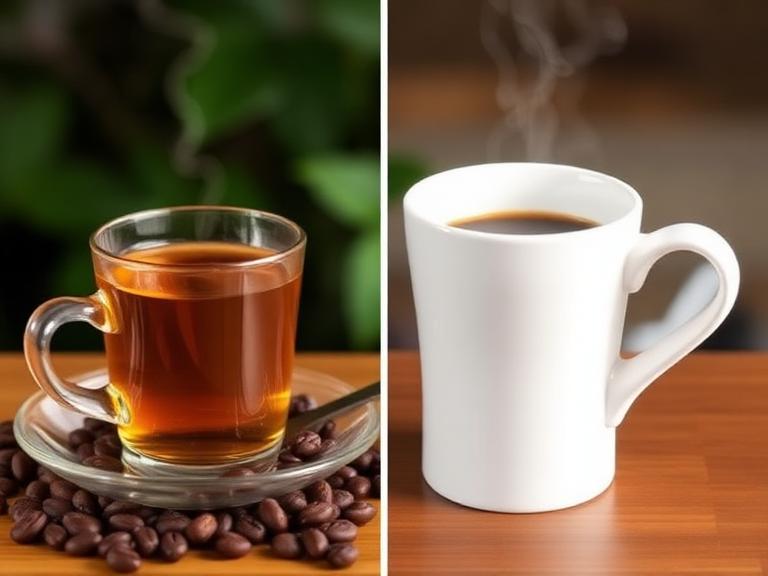
Tea also contains caffeine but generally less than coffee. An 8‑oz cup of black tea often contains around 40–50 mg, while green tea is closer to 25–30 mg.
Matcha vs. Coffee: Caffeine and Effects
Matcha — a powdered green tea — usually contains about 38–88 mg of caffeine per typical serving depending on how it’s prepared. Its caffeine is often paired with L‑theanine, which produces a smoother, more sustained energy boost than coffee.
Factors That Influence Coffee Caffeine Content
Bean Type and Roast Level
Arabica and Robusta beans have different caffeine levels. Robusta usually contains more caffeine. Lighter roasts retain slightly more caffeine per bean than darker roasts, though brewing ratios matter too.
Brewing Method
Longer steeping times or finer grinds can increase caffeine extraction. Cold brew, despite a lower temperature, often ends up with higher caffeine because it steeps longer.
Potential Effects of Too Much Caffeine
Symptoms of Excessive Intake
Too much caffeine can cause restlessness, anxiety, rapid heartbeat, sleep disturbances, and digestive issues. These symptoms vary by individual sensitivity.
Who Should Limit Caffeine?
Pregnant individuals, those with anxiety disorders, and people with certain heart conditions may need to limit caffeine intake or consult a healthcare provider.
Conclusion
Understanding how much caffeine in coffee isn’t just a curiosity — it helps you drink smarter, stay energized, and avoid unwanted side effects. Whether you love brewed black coffee, prefer espresso, or choose matcha or tea sometimes, knowing your caffeine intake empowers healthier choices. Remember, the exact amount of caffeine can vary by bean, preparation method, and serving size, so use these figures as practical estimates rather than exact numbers.
FAQs
How does caffeine in coffee compare with tea?
Coffee generally contains more caffeine than tea — an 8 oz coffee often has around 80–100 mg, while black tea has about 40–50 mg.
How much caffeine is in a cup of instant coffee?
An average 8‑oz cup of instant coffee typically contains about 45–80 mg of caffeine.
How much caffeine in a shot of espresso?
A single espresso shot usually contains around 63–127 mg of caffeine depending on bean and extraction.
How much caffeine in 2 cups of coffee?
Two standard 8 oz cups can deliver 160–300 mg of caffeine.
How much caffeine is too much?
Most adults can safely consume up to 400 mg of caffeine per day, though sensitivity varies by person.