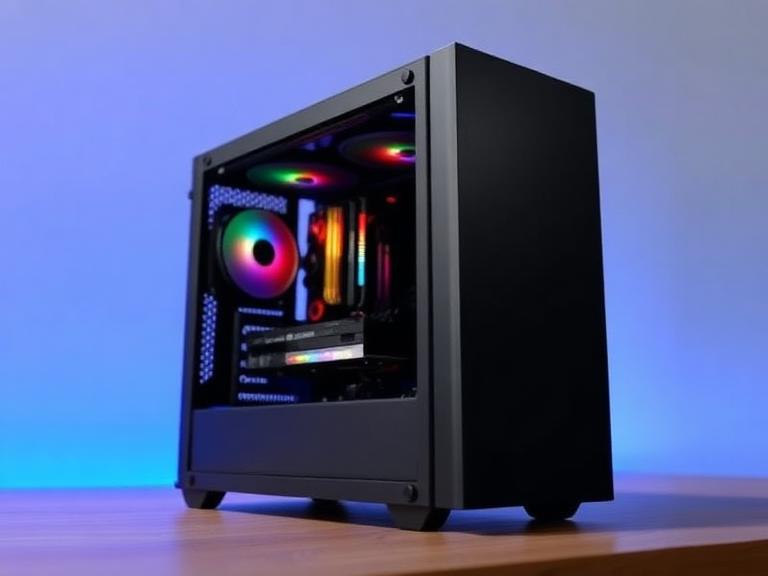
If you’ve ever wondered what mini itx actually means, you’re not alone. The term “ITX” refers to a motherboard form factor originally introduced by VIA Technologies. It’s essentially a standardized size and layout that determines how components fit together inside a PC. The “mini” version is the smallest mainstream form factor available today, making it a favorite among compact PC enthusiasts.
Think of mini itx motherboards like studio apartments in a crowded city. Everything you need is there—CPU, RAM, storage—but it’s all arranged in a highly efficient, space-saving way. This compact design allows users to build powerful systems without the bulk of traditional towers. However, this also means every millimeter counts, especially when it comes to airflow and cooling.
Unlike larger formats, mini ITX boards typically come with just one PCIe slot, limiting expansion options. But here’s the trade-off: you get a sleek, portable build that fits almost anywhere—on a desk, behind a monitor, or even in a backpack. That’s exactly why the mini itx case market has exploded in popularity over the past few years.
What is a Mini ITX Used For
So, what exactly is a mini itx system used for? The answer might surprise you—it’s incredibly versatile. From gaming rigs to home theater PCs (HTPCs), mini ITX builds can handle a wide range of tasks without breaking a sweat. According to recent trends, compact builds are increasingly favored by gamers who want powerful performance without sacrificing desk space.
Mini ITX systems are commonly used for:
- Gaming setups with high-end GPUs
- Home theater PCs (HTPCs) for streaming and media
- Portable workstations for professionals
- Minimalist office desktops
What’s fascinating is how modern mini itx cases can now accommodate full-length GPUs and advanced cooling solutions. That means you’re no longer limited to low-power builds. You can create a compact powerhouse that rivals full-sized desktops.
Understanding Mini ITX Size and Dimensions
Standard Mini ITX Motherboard Size
When it comes to size, mini itx motherboards follow a strict standard: 170mm x 170mm (6.7 x 6.7 inches). That’s significantly smaller than Micro ATX or ATX boards, which explains why these builds are so compact.
But here’s where things get interesting—while the motherboard size is fixed, mini itx cases vary widely in volume. Some ultra-small cases measure under 10 liters, while others stretch up to 20 liters or more. For example, the Lian Li A4-H2O is just 11 liters in volume, making it incredibly compact while still supporting powerful hardware.
This variation gives users flexibility. You can choose between ultra-portable builds or slightly larger cases that offer better airflow and easier assembly. It’s all about balancing size with performance.
Case Volume and Space Efficiency
Case volume plays a huge role in cooling. Smaller cases look amazing, but they can trap heat if not designed properly. Larger mini ITX cases, on the other hand, provide more room for airflow, fans, and radiators.
Here’s a quick comparison:
| Case Type | Volume | Cooling Potential |
|---|---|---|
| Ultra SFF (<10L) | Very Small | Limited |
| Compact (10–20L) | Balanced | Good |
| Large ITX (20L+) | Spacious | Excellent |
The takeaway? If airflow is your top priority, don’t go for the absolute smallest case. A slightly bigger mini itx case can make a huge difference in thermal performance.
Mini ITX vs Micro ATX vs ATX
Key Differences in Size and Performance
The debate between mini itx vs micro atx (and ATX) is one of the most common in PC building. Each form factor has its strengths, but they cater to different needs.
| Feature | Mini ITX | Micro ATX | ATX |
|---|---|---|---|
| Size | Smallest | Medium | Largest |
| PCIe Slots | 1 | 2–4 | 4–7 |
| Portability | High | Medium | Low |
| Cooling Space | Limited | Moderate | Excellent |
Mini ITX is all about compactness, while ATX focuses on expandability and cooling. Micro ATX sits somewhere in the middle, offering a balance between size and features.
Which One is Better for You
So, is ITX or ATX better? It depends entirely on your priorities. If you want a powerful yet portable setup, mini itx is unbeatable. But if you need multiple GPUs, extensive storage, or advanced cooling, ATX is the better choice.
For most modern users, especially gamers, mini ITX strikes a sweet spot. Thanks to improved case designs and better airflow solutions, you can now build high-performance systems without the bulk.
Why Airflow is Critical in Mini ITX Cases
Heat Challenges in Small Form Factor PCs
Let’s be honest—heat is the biggest enemy of any mini itx case. When you cram powerful components into a tiny space, temperatures can rise بسرعة. It’s like trying to cool a sports car engine inside a shoebox.
Because components are packed tightly together, there’s less room for air to circulate. This can lead to higher CPU and GPU temperatures, reduced performance, and even hardware damage over time.
Importance of Ventilation and Cooling Layout
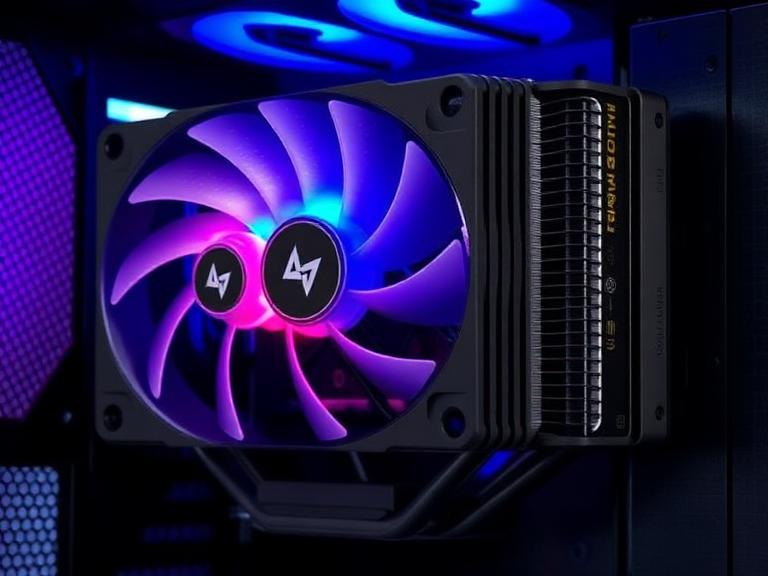
That’s why airflow design is everything. The best mini itx cases use mesh panels, strategic fan placement, and smart layouts to keep temperatures under control.
For example, cases like the Cooler Master NR200 support up to six fans and large radiators, delivering excellent thermal performance despite their compact size.
Key airflow features to look for:
- Mesh panels for better ventilation
- Multiple fan mounts
- Support for liquid cooling (AIO)
- Proper intake and exhaust balance
Key Features to Look for in a Mini ITX Case
GPU and CPU Clearance
One of the biggest mistakes beginners make is ignoring component clearance. Not all mini itx cases can fit large GPUs or tall CPU coolers.
Modern cases, however, are getting better. Some can even support GPUs over 300mm in length, which is impressive for such a small form factor.
Fan and Radiator Support
Cooling options are crucial. Look for cases that support:
- At least 2–4 fans
- 240mm or 280mm radiators
- Flexible fan placement
These features ensure your system stays cool even under heavy load.
PSU Compatibility (SFX vs ATX)
Most mini itx cases use SFX or SFX-L power supplies instead of standard ATX units. These smaller PSUs help save space and improve airflow.
Best Mini ITX Cases for Airflow and Cooling (2026)
Top Overall Picks
The market for mini itx cases in 2026 is packed with impressive options. One standout is the Fractal Design Terra, praised for its innovative design and GPU support.
Another excellent choice is the Lian Li A4-H2O, known for its compact size and strong cooling performance.
Budget-Friendly Options
If you’re on a budget, the SilverStone SG13 remains a legendary choice. It offers great airflow and component compatibility at a low price point.
High-Performance Cooling Cases
For maximum airflow, the Cooler Master NR200 is hard to beat. With support for multiple fans and large radiators, it delivers exceptional cooling in a compact package.
Building Tips for Mini ITX Systems
Cable Management Strategies
Building in a mini itx case can feel like solving a puzzle. Every cable matters, and poor management can block airflow.
Use modular PSUs and short cables to keep things tidy. Route cables behind panels whenever possible to maintain a clean interior.
Cooling Optimization Tips
Want better thermals? Focus on airflow direction. Use intake fans at the front or bottom and exhaust fans at the top or rear.
Also, consider using high-quality thermal paste and efficient coolers. Small tweaks can make a big difference.
Pros and Cons of Mini ITX Builds
Mini ITX builds are amazing—but they’re not perfect.
Pros:
- Compact and portable
- Sleek, modern design
- Powerful performance in small size
Cons:
- Limited upgrade options
- More challenging to build
- Potential cooling limitations
Conclusion
The world of mini itx is all about balance—between size, performance, and cooling. With the right mini itx case, you can build a system that’s not only powerful but also compact and stylish. The key is to prioritize airflow, choose compatible components, and plan your build carefully.
As technology continues to evolve, mini ITX systems are becoming more capable than ever. Whether you’re a gamer, creator, or minimalist, there’s never been a better time to go small.
FAQs
1. What is a Mini ITX used for?
Mini ITX is used for compact PCs, including gaming rigs, HTPCs, and portable workstations.
2. What is the size of a Mini ITX motherboard?
It measures 170mm x 170mm (6.7 x 6.7 inches).
3. Is Mini ITX better than ATX?
It depends—Mini ITX is better for compact builds, while ATX is better for expandability.
4. Are Mini ITX cases good for gaming?
Yes, modern mini itx cases support high-end GPUs and cooling solutions.
5. Do Mini ITX builds overheat easily?
They can, but proper airflow and cooling solutions prevent overheating.